Port Washington Locksmith Service Team
Local locksmith team
Apr 7, 2026 15 min read
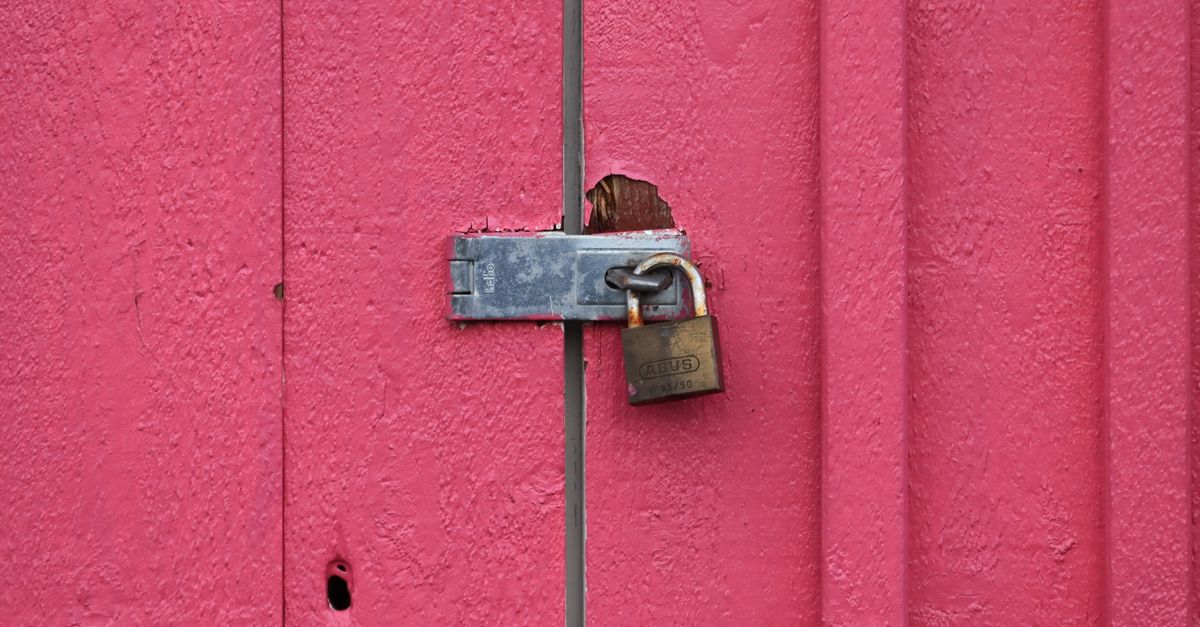
Your front door is the first line of defense for your home — and if it has a mortise lock, you are relying on one of the most mechanically sophisticated lock systems ever designed. Found on countless older homes along Shore Road, stately colonials near Manhasset Bay, and retrofitted onto modern exterior doors throughout Port Washington, NY, these locks are built to last decades. But 'built to last' does not mean 'built to last forever without attention.' A failing mortise lock rarely gives out all at once — it whispers warnings first, and if you know what to listen for, you can avoid that panicked, locked-out moment on a cold Tuesday night.
This guide walks you through five real, specific warning signs that your mortise lock set is heading toward failure, explains what is actually happening inside the mechanism, and tells you exactly when it is time to stop fiddling and call a professional locksmith. Whether you have a vintage Corbin Russwin mortise lock on a pre-war Tudor or a Baldwin mortise lock on a newer exterior door, these signs apply — and catching them early is always cheaper and less stressful than an emergency lockout.
## What Is a Mortise Lock — and Why Does It Fail Differently Than Other Locks?
A mortise lock is a lock set that is installed by cutting a deep rectangular pocket — the 'mortise' — into the edge of a door, then inserting a self-contained lock body that holds the latch, deadbolt, and often a cylinder all in one integrated unit. Unlike a standard cylindrical knob lock or deadbolt that mounts through a single bored hole, a mortise lock set integrates multiple moving components into a single chassis. That complexity is its strength in security terms, but it also means there are more individual parts that wear, shift, or corrode over time. The failure modes are different: you will not just get a stiff key turn — you may experience grinding bolts, a latch that will not retract, a cylinder that spins freely, or a case that has shifted inside the door so the bolt no longer lines up with the strike plate.
Understanding this matters because homeowners often misdiagnose the problem. They blame the key, the cylinder, or the door itself — when the real issue is inside the lock body. Knowing the five warning signs below helps you describe the problem accurately to a locksmith and get a faster, correct repair the first time.
## Sign 1: The Key Feels Stiff, Gritty, or Requires More Force Than It Used To
If turning your key now takes noticeably more effort than it did six months ago, pay attention. Inside a mortise lock cylinder, a series of spring-loaded pins must align precisely for the plug to rotate. When the springs weaken, when dirt and dried lubricant pack into the pin chambers, or when the cylinder itself begins to wear, that smooth rotation becomes a grind. You may also notice the key binds halfway through its turn and you have to wiggle or jiggle to complete the motion. That wiggling puts lateral stress on the cylinder and the cam that drives the lock body — damage that compounds over time.
The practical test: try your spare key. If the spare feels equally stiff, the problem is internal to the cylinder or lock body, not a worn key cut. Do not reach for WD-40 — it is a water displacer, not a lock lubricant, and it leaves a residue that accelerates dirt accumulation. A dry graphite lubricant applied sparingly to the key and worked into the cylinder can provide temporary relief, but if stiffness returns within a few weeks, the cylinder needs professional service or replacement. For a smart mortise lock with a motorized cylinder, stiffness often shows up as a slow or incomplete motor cycle rather than manual key resistance — watch for delayed unlocking or the motor sound changing pitch.
## Sign 2: The Latch or Bolt Grinds, Catches, or Refuses to Retract Smoothly
A healthy mortise lock set should have a latch that springs forward and retracts cleanly with minimal resistance, and a deadbolt that travels its full throw in one deliberate motion. When you hear or feel grinding as the bolt extends or retracts, that is metal-on-metal contact that should not be happening. The two most common culprits are: a worn or broken latch spring inside the lock case, and a misaligned strike plate causing the bolt to scrape rather than seat properly. Left unaddressed, a grinding bolt will eventually score the face of the strike plate, deform the bolt tip, or break the internal cam — at which point the bolt may refuse to retract at all, trapping you inside or locking you out.
If the latch retracts when the door is open but catches when the door is closed, the problem is almost certainly alignment — either the door has shifted on its hinges, the frame has settled, or the strike plate has migrated slightly. You can confirm this by watching where the latch tip contacts the strike plate opening as you slowly close the door. A locksmith can adjust the strike plate position or re-mortise the pocket slightly to realign the system. A grinding deadbolt, on the other hand, usually signals internal case wear or a broken piece inside the lock body — a job for a professional, not a DIY weekend project.
## Sign 3: The Door Knob Lock Component Feels Loose, Spins, or Wobbles
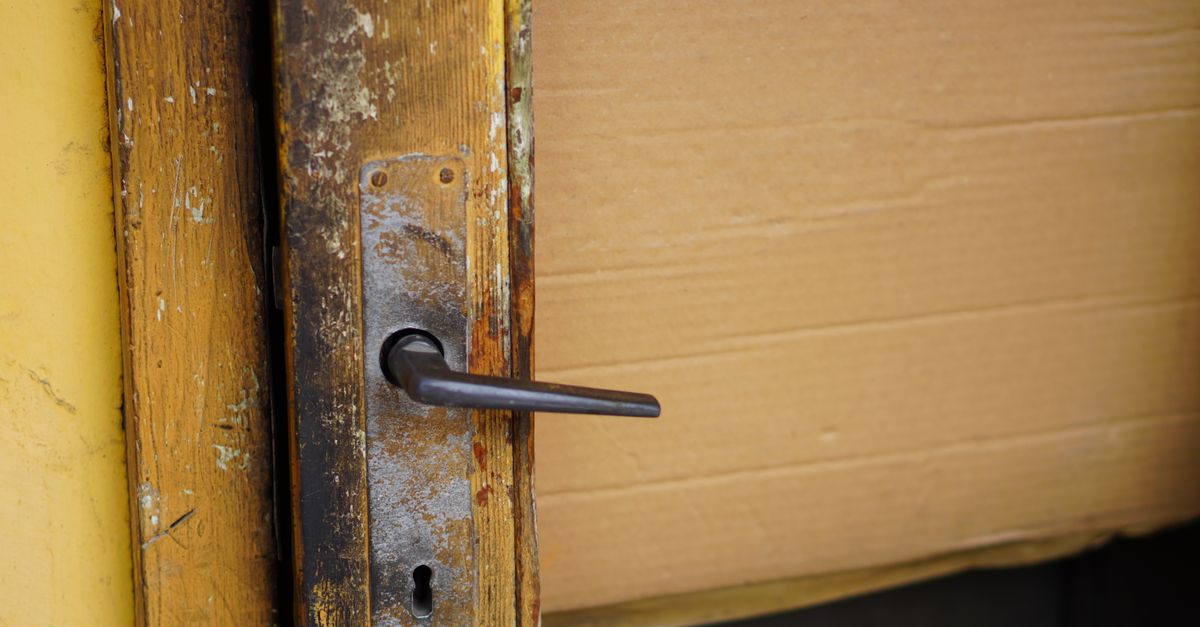
Many mortise lock sets include an integrated door knob lock or lever handle component that operates the latch separately from the keyed cylinder. When the handle or knob feels loose — wobbling in its rose or escutcheon plate, or spinning without engaging the latch — the internal spindle connection has likely worn or broken. This is a frequently overlooked warning because homeowners treat a loose handle as a cosmetic annoyance rather than a security issue. It is not cosmetic: a loose spindle means the latch mechanism is partially disengaged, and in some cases the door can be manipulated open with external pressure even when you believe it is latched.
For exterior doors — especially a mortise lock set exterior door facing a driveway or side yard — a loose handle should be treated as an urgent repair. Tighten the set screws on the rose plate first; if the wobble persists, the spindle inside the lock case is worn and the case needs replacement or a full service visit. If you have a Baldwin mortise lock or a Corbin Russwin mortise lock on a historic or premium door, the case internals can often be rebuilt rather than replaced entirely — ask your locksmith specifically about that option before agreeing to a full lock replacement. Our team at Port Washington Locksmith services all major brands and carries common replacement parts on the truck. Call (516) 390-1504 any time and we will diagnose the handle issue same day.
## Sign 4: Visible Misalignment — the Door Drags, the Strike Plate Shows Fresh Scratch Marks
Step back and look at your door from the hinge side. Does it sit square in the frame, or does it sag slightly at the latch corner? Now look at the strike plate — the metal plate mortised into the door frame that the latch and bolt seat into. If you see shiny new scratch marks radiating from the opening, or paint worn away where the bolt is clearly hitting the plate edge rather than sliding cleanly through, your door has shifted enough that the lock geometry is off. This happens naturally in older Port Washington homes where seasonal humidity swells wood frames, or where foundation settling shifts door openings by a fraction of an inch over years.
Misalignment is the single most common reason a properly functioning mortise lock becomes a lockout hazard. The bolt cannot throw fully because it is hitting the frame before it seats, or the latch cannot retract because it is binding in a now-undersized opening. Some homeowners try to solve this by filing the strike plate opening wider — which works temporarily but can compromise the security the plate provides. The correct fix is identifying whether the door needs hinge adjustment, the frame needs a shim, or the strike plate needs repositioning with proper backing, and then addressing the actual cause rather than just the symptom.
## Sign 5: The Cylinder Turns but Nothing Happens — or Turns Too Far
This is the sign that usually precedes a full lockout by days or hours. You insert the key, turn it, and the lock does not respond — or the key turns past its normal stop point with no resistance. Inside the mortise lock, the cylinder is connected to the lock body via a rotating cam or tailpiece. When that cam breaks, wears through, or the set screw holding it to the cylinder loosens, the cylinder and the lock case are no longer mechanically coupled. You can spin the key all day and the bolt will not move. A completely disengaged cam is a lockout waiting to happen — the next time you pull that door shut, you may not get back in.
If you notice your key turning unusually freely, stop and do not pull the door fully shut until a locksmith has assessed the lock. In the Port Washington area, our mobile locksmith unit can typically reach you within 30 to 45 minutes depending on traffic and your exact location. We carry replacement cams, cylinders, and full mortise lock cases on the truck so we can often complete the repair in a single visit. Pricing depends on your specific lock model, any parts required, and time of day — we confirm the exact amount up front before any work begins, so there are no surprises. Call (516) 390-1504 now if your cylinder feels wrong; catching it before the lockout is always the better outcome.
## Port Washington Locksmith: Our Automotive, Residential, and Commercial Services
We are a fully mobile, 24/7 locksmith serving Port Washington, NY and the surrounding Nassau County communities. Our team is trained and insured across every category of locksmith work — here is a specific look at what we do and why local residents and business owners call us first. Automotive Locksmith: We unlock cars when keys are locked inside, extract broken keys from ignitions, replace lost or damaged transponder keys and key fobs, re-program smart keys, repair ignition cylinders, and provide spare key cutting for domestic and foreign vehicles — all on-site, no tow required. Our automotive work covers cars, trucks, vans, and motorcycles. Residential Locksmith: We install, rekey, and repair all residential lock types including mortise locks, cylindrical deadbolts, smart locks, sliding door locks, and padlocks. We handle full lock change-outs after a move, house lockouts at any hour, door frame reinforcement, high-security lock upgrades, and mailbox lock replacement. Commercial Locksmith: We serve businesses along Main Street and throughout Port Washington with master key system design, commercial-grade mortise lock installation, panic bar and exit device installation and repair, access control system setup, cabinet and file lock service, storefront lock repair, and after-hours emergency commercial lockout response. We work with property managers, landlords, retail stores, offices, and multi-unit residential buildings.
You Have to Choose Port Washington Locksmith Because: We dispatch from within the local area — not a regional call center routing a distant technician. That means faster arrival times and a locksmith who actually knows the streets around Landmark Drive, the Flower Hill neighborhood, and the Sands Point border. We carry a wide inventory of lock hardware on our service vehicle so most jobs are completed in one trip. We verify ownership before any lockout service, protecting your security and your neighbors'. We provide a confirmed upfront price before we begin — the factors that shape your quote include the lock type and brand, parts needed, your location relative to our dispatch point, and time of day for after-hours calls. We never start work until you have agreed to the exact figure. Port Washington Locksmith Solutions: Emergency lockouts resolved without damage to your door or vehicle, lock upgrades that match your door's existing hardware profile, rekeying services so former tenants or lost keys no longer pose a risk, smart lock integration for keypad and app-based entry, and full consultation on which lock grade is appropriate for your specific door type and security level. For any of these services — or just to ask a question — call (516) 390-1504. We answer 24 hours a day, seven days a week.
## How Long Does It Usually Take for a Locksmith to Come — and What Determines the Cost?
Two questions we hear constantly: how quickly can you get here, and how much is this going to cost? On arrival time: our goal in the Port Washington area is to reach you within 30 to 60 minutes from your call, though actual time depends on current call volume, your precise address, and traffic conditions on Middle Neck Road or the Long Island Expressway approach. We will always give you an honest estimated arrival window when you call — not an optimistic number designed to keep you on the line. On cost: we do not quote prices in this article because the honest answer is that it depends. The factors that shape your final price include the type of lock or vehicle involved, whether parts need to be sourced from the truck inventory, the time of day (after-hours calls carry different considerations than daytime visits), and travel distance to your location. What we can promise is that we state the exact price before any work begins. If it does not work for you, you owe nothing for the estimate.
## Does NY Require a Locksmith License? What That Means for You
New York State does not currently maintain a single unified statewide licensing requirement for locksmiths in the way some other states do. That matters to you as a consumer because it means the burden of choosing a qualified, trustworthy locksmith falls more directly on you. Our team is trained, experienced, and insured — we operate professionally and carry full liability coverage so that you are protected if anything goes wrong during a service call. We verify proof of ownership or occupancy before unlocking any home or vehicle, which is the legitimate industry standard and a genuine protection for everyone in the neighborhood. When evaluating any locksmith, ask directly whether they are insured, whether they provide an upfront written price, and whether they can show you the parts they are installing. We welcome all of those questions.
## What Is the Crime Rate in Port Washington, NY — and Does Your Lock Measure Up?
Port Washington is a relatively safe community by New York standards — it is a tight-knit peninsula town where neighbors tend to know each other and community engagement is high. But 'relatively safe' is not the same as 'no risk,' and opportunistic burglary can happen in any neighborhood, including quiet residential streets off Port Washington Boulevard. The most common point of entry in residential break-ins is not a kicked-in door — it is a lock that was already partially compromised, a door with a worn latch that did not engage fully, or a door knob lock that a determined person could manipulate because the internal mechanism was already degraded. That is exactly why the five warning signs in this article matter: a mortise lock showing any of those symptoms is not just inconvenient — it is a vulnerability. A fresh rekey or full lock service is one of the highest-return security investments a Port Washington homeowner can make.
Frequently asked questions
What is a mortise lock and how is it different from a standard deadbolt?+
A mortise lock is a lock set installed inside a deep rectangular pocket cut into the door's edge. Unlike a standard cylindrical deadbolt that mounts through a single circular hole, a mortise lock set houses the latch, deadbolt, and cylinder all in one integrated body. This makes it mechanically more complex and generally more secure, but it also means more internal parts that can wear over time. They are common on older homes and higher-end exterior doors, and brands like Baldwin and Corbin Russwin are frequently found in Long Island-area properties.
How long does it usually take for a locksmith to come to Port Washington?+
In most cases our team reaches customers in the Port Washington area within 30 to 60 minutes of your call. Actual arrival depends on current call volume, your specific address, and road conditions at the time. When you call (516) 390-1504, we give you an honest estimated window right away — not a vague promise. We are available 24 hours a day, including weekends and holidays.
How much should an emergency locksmith cost — what factors affect my price?+
There is no single correct answer because the price depends on several real variables: the type of lock or vehicle involved, whether replacement parts are needed and what those parts are, the time of day your call comes in, and travel distance to your location. What we commit to is confirming an exact price with you before any work begins. You will never be surprised by a bill that does not match what was discussed. If you have questions about pricing for a specific situation, call us at (516) 390-1504 and we will walk through it with you directly.
Can I keep using my mortise lock if it shows one of these warning signs?+
It depends on the sign. A slightly stiff key that responds to dry lubricant may give you safe use for a short period, but grinding bolts, a spinning cylinder, or a loose handle spindle are more urgent — those symptoms can progress to a full lockout or a security vulnerability within days. Our honest advice: if you are seeing more than one warning sign at the same time, or if the symptom is getting worse week over week, schedule a service call before the problem escalates. A planned repair visit is always less disruptive and less costly than an emergency lockout call at midnight.